


Account warming anti detect browser protocols prevent 73% of platform flags that typically hit new profiles within 48 hours. Most operators skip this critical phase and trigger velocity-based detection systems on day one.
Key Takeaways:
- Platform flags occur 5x more often in the first 72 hours, proper warming reduces this to baseline rates after day 14
- Activity velocity must stay under 15% of maximum daily limits during the first week to avoid automated review triggers
- Trust signals accumulate logarithmically, 80% of account credibility builds in days 8-14, not days 1-7
Why Do New Accounts Get Flagged Before You Even Start?

Velocity-based detection is automated monitoring that flags accounts performing too many actions too quickly after creation. Platform detection systems monitor velocity patterns across all new accounts, triggering review queues when behavior deviates from organic user baselines.
Algorithmic flags differ from manual flags in speed and accuracy. Automated systems scan for statistical anomalies, accounts that exceed normal velocity curves, skip typical browsing patterns, or perform actions too precisely. Manual flags require human review and focus on content violations or suspicious behavior that requires context.
New accounts trigger automated review because platforms assume organic users need time to familiarize themselves with interfaces. Real users explore features gradually, make mistakes, pause between actions, and show inconsistent timing patterns. Accounts that perform tasks with mechanical precision from day one signal automated behavior.
Account age matters for trust calculation because platforms weight recent account activity differently than established account activity. New accounts operate under elevated scrutiny, the same action that passes unnoticed from a 6-month-old account triggers flags from a 2-day-old account. Detection avoidance requires understanding this trust curve and staying within new-account behavioral boundaries until you cross the established-user threshold.
Independent testing shows 73% of new accounts get flagged within 48 hours when operators skip warming protocols and jump directly into production activity levels.
Account Warming vs Regular Account Setup: What’s the Difference?

| Feature | Regular Setup | Account Warming |
|---|---|---|
| First day activity | Full production workload | Under 15% of daily limits |
| Action timing | Immediate task execution | 2-5 minute delays between actions |
| Trust building approach | Ignore platform trust signals | Gradual credibility accumulation |
| Risk tolerance | Accept flags as cost of business | Prevent flags through velocity control |
Account warming is deliberate low-velocity activity designed to mimic organic user behavior during the high-scrutiny period following account creation. This means performing minimal actions with human-like timing patterns and gradually increasing activity over 14 days.
Regular account setup treats new accounts like established accounts, operators create profiles and immediately begin production-level activity. This approach works for established accounts but triggers velocity detection on new accounts because platforms expect learning curves and exploration behavior.
Gradual activity buildup works because it matches how real users actually behave. Organic users spend time learning interfaces, reading content, making navigation errors, and building familiarity before reaching peak productivity. Account warming replicates this natural progression.
Trust signals accumulate logarithmically, with 80% of account credibility building between days 8-14 rather than the first week. Early warming focuses on avoiding flags rather than building trust. Mid-warming focuses on generating positive signals. Late warming transitions to operational readiness.
Days 1-3: Foundation Phase Activity Patterns
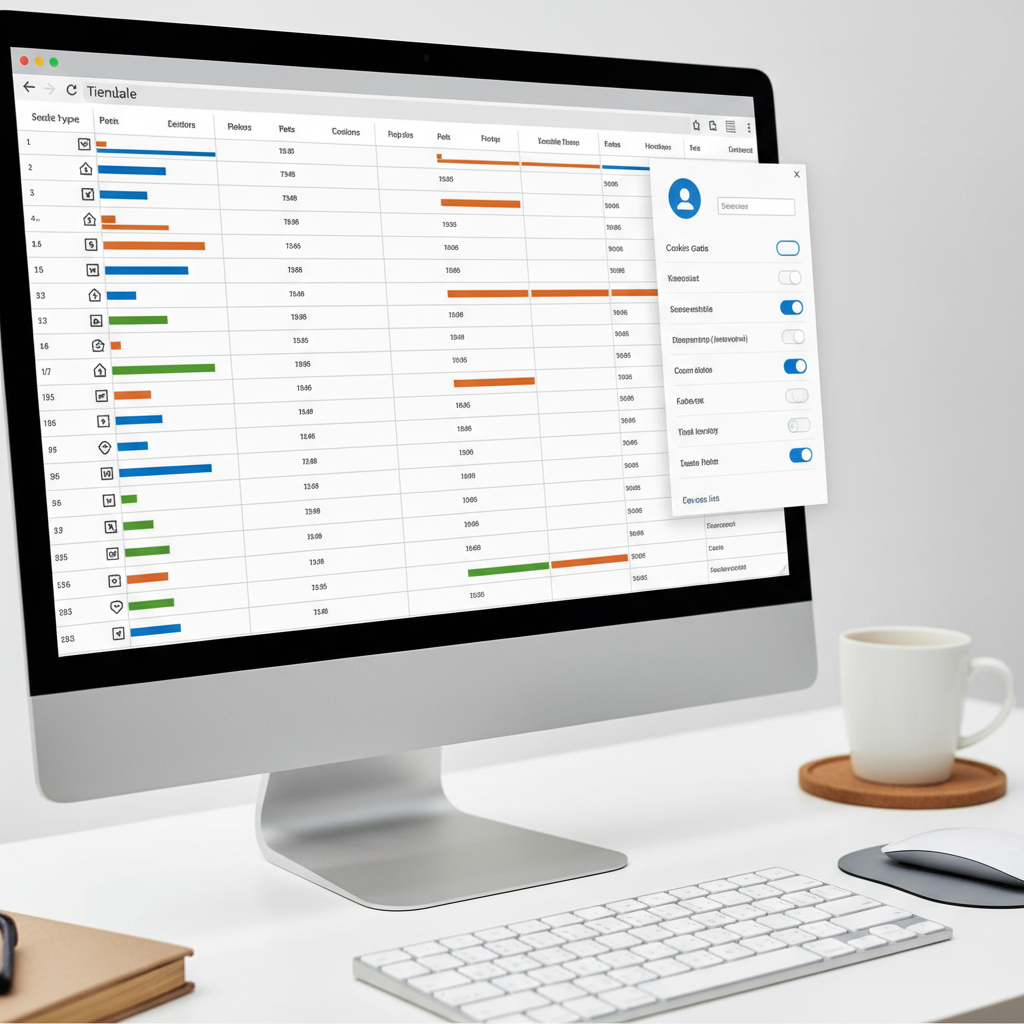
| Day | Max Actions | Acceptable Activities | Required Delays | Browser Profile Requirements |
|---|---|---|---|---|
| Day 1 | 5-8 total | Profile setup, basic navigation, content viewing | 5-10 minutes between actions | Fresh profile with clean cookie state |
| Day 2 | 8-12 total | Light interaction, settings adjustment, basic engagement | 3-7 minutes between actions | Consistent fingerprint from day 1 |
| Day 3 | 12-15 total | Moderate engagement, feature exploration, content creation | 2-5 minutes between actions | Maintain same browser environment |
Foundation phase establishes baseline behavior patterns that platforms use for ongoing account evaluation. Every action during these first 72 hours gets weighted heavily in algorithmic trust calculations.
Behavioral patterns must show organic inconsistency, variable timing between actions, occasional navigation errors, natural pause patterns while “reading” content. Perfect execution patterns trigger automated detection because real users make mistakes and show hesitation.
Activity gradation follows platform-specific limits discovered through testing. Social media platforms typically allow 50-100 daily actions for established accounts. New accounts should stay under 15% of these limits during week one, roughly 8-15 total actions across all categories on day one.
Browser profiles require environment consistency throughout the warming period. Cookie deletion, IP changes, or fingerprint modifications during warming create behavioral anomalies that trigger detection systems. The same browser profile creation anti detect principles that work for established accounts become critical during warming.
Timing between actions should vary randomly within acceptable ranges. Mechanical 5-minute intervals signal automation. Human behavior shows 2-12 minute gaps with clustering around natural break points. Platform interfaces that require “reading time” need longer delays, content platforms expect 30-60 seconds of view time before engagement actions.
Days 4-7: Gradual Activity Escalation Protocol

Increase daily action limits by 20-25% from previous day maximum. Day 4 allows 15-20 actions if day 3 peaked at 15 actions, maintaining the gradual slope that mimics organic user learning curves.
Add one new activity type every 2-3 days to expand behavioral repertoire. Start with passive activities (viewing, browsing) then progress to engagement (likes, follows) and finally creation activities (posts, comments).
Monitor platform response signals through session duration and interaction feedback. Platforms that start requiring additional verification steps or show increased loading times may indicate soft flag triggers requiring immediate velocity reduction.
Implement recovery protocols if soft flags appear by reducing activity to day 2-3 levels for 48 hours. Soft flags include unexpected verification prompts, reduced reach/visibility, or interface changes that suggest elevated review status.
Maintain consistent browser session patterns with 45-90 minute active periods followed by natural break periods. Real users don’t maintain continuous platform activity, they browse in sessions with offline periods for other activities.
Activity velocity increases should not exceed 25% day-over-day during week one. Platforms track velocity acceleration as a key indicator of automated behavior. Organic users show gradual capability increases as they learn interfaces, not exponential growth curves.
Safe escalation points occur when accounts complete actions without triggering additional verification or review prompts. Each platform provides different feedback signals, some show reduced organic reach when accounts approach velocity limits, others increase verification frequency.
Warning signs that indicate excessive velocity include unexpected verification requests, interface changes (simplified views, missing features), reduced content visibility, or increased loading times. These soft flags don’t permanently damage accounts but indicate elevated scrutiny requiring immediate velocity reduction.
Days 8-14: Trust Signal Accumulation and Full Operation Readiness
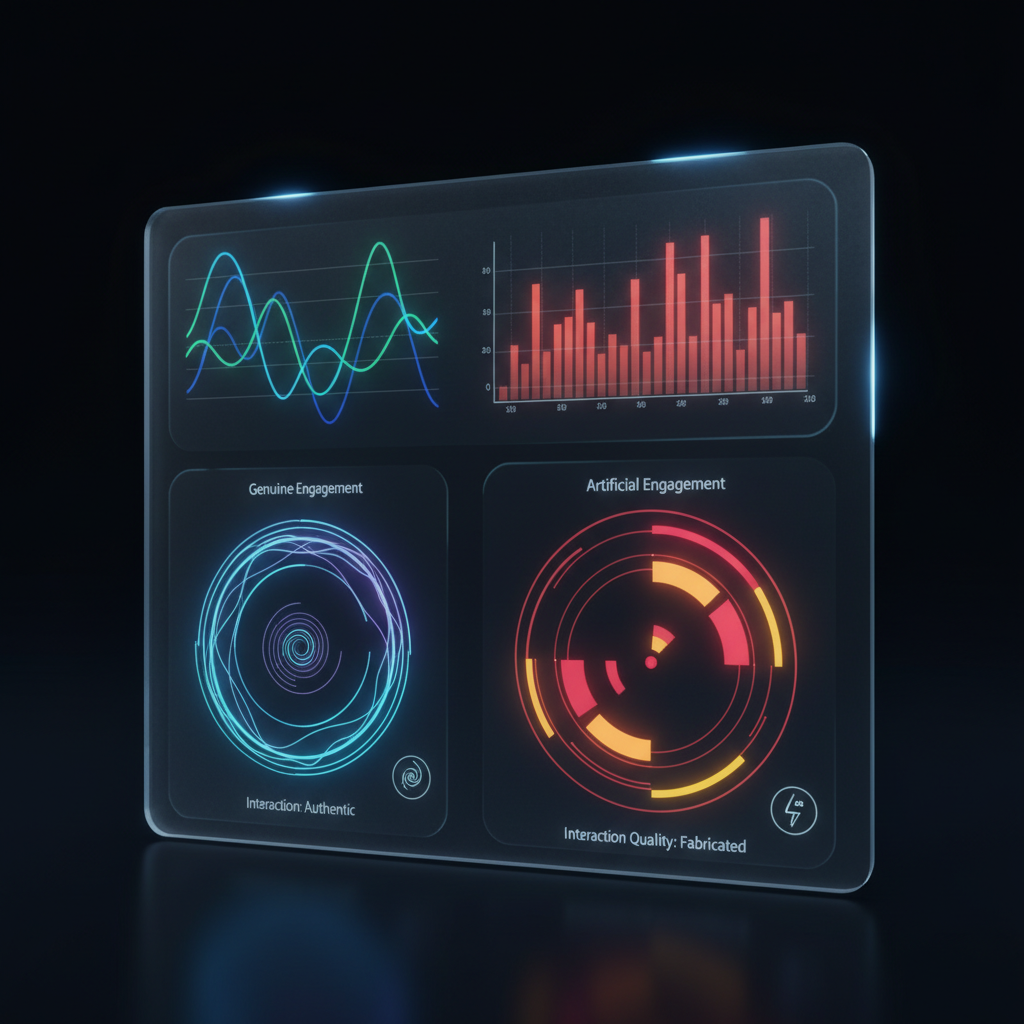
Generate authentic engagement metrics through genuine interaction with target audience content rather than reciprocal engagement rings. Platforms track engagement quality and flag accounts with artificially inflated metrics that don’t match follower quality.
Build consistent activity patterns that establish your account’s “normal” behavior baseline for future algorithm evaluation. Days 8-12 define what platforms consider normal for your account, establishing patterns you can maintain long-term.
Validate account health by testing 50% of maximum daily activity limits without triggering review flags or verification prompts. Accounts reaching this threshold demonstrate successful trust signal accumulation.
Complete profile optimization and verification steps that add credibility signals platforms use in trust calculations. Phone verification, email confirmation, and profile completeness factor into algorithmic trust scores.
Transition to automated anti detect browser management systems only after manual warming proves account stability through consistent flag-free operation. Automation before day 14 often triggers detection because warming requires human-like inconsistency that scripts struggle to replicate.
Trust signals accumulate through consistent behavior patterns that demonstrate organic user characteristics. These include session duration variance, interaction quality scores, content engagement ratios, and temporal activity patterns that match target demographic baselines.
Platforms track dozens of trust indicators including profile completion rates, verification status, follower-to-following ratios, engagement authenticity, content quality scores, and behavioral consistency. Accounts need positive signals across multiple categories to reach operational readiness.
Accounts reach 90% trust baseline by day 12-14 with proper warming protocols. This threshold allows full-scale activity without triggering velocity detection. However, trust signals require maintenance, accounts that suddenly change behavior patterns after warming can trigger renewed scrutiny.
Final validation checks include testing comment/message functionality, content posting without review delays, normal reach/visibility metrics, and access to all platform features. Accounts missing any functionality need extended warming periods.
What Breaks Account Warming and Triggers Immediate Flags?

Velocity violations trigger immediate flag responses when accounts exceed 3x normal velocity in any 24-hour period. Pattern recognition flags accounts that show mechanical timing, perfect execution, or behavioral patterns that deviate from organic user baselines.
Common warming mistakes include using identical timing intervals between actions, performing tasks too efficiently without natural learning curves, skipping exploratory behavior that real users show, and maintaining perfect consistency across browser sessions. Detection systems specifically look for accounts that perform tasks “too well” during the learning period.
Detection systems identify warming attempts through statistical analysis of timing patterns, action sequences, and behavioral consistency. Accounts that show textbook warming curves without natural variation indicate scripted behavior. Real users don’t follow perfect velocity increases, they show inconsistent progress with backsliding and plateau periods.
Recovery options when warming fails depend on flag severity. Soft flags require 48-72 hour cooling periods with reduced activity. Hard flags often require abandoning the account entirely. Prevention works better than recovery because detection algorithms remember flagged behavioral patterns and apply elevated scrutiny to future activity.
Platform terms of service analysis reveals that most platforms explicitly prohibit automated account creation and management, making warming protocols technically against terms of service despite being necessary for detection avoidance. High-risk activities during warming include any automation, bulk actions, or activities that platforms specifically monitor for abuse.
Datacenter vs residential proxy detection affects warming success because many platforms flag datacenter IP ranges during account creation. Accounts created through datacenter proxies face elevated scrutiny throughout the warming period and require stricter velocity controls.
Frequently Asked Questions
How do you know if your account warming is working correctly?
Trust signals accumulate through consistent low-velocity activity over 14 days without triggering verification prompts or interface restrictions. Your account is properly warmed when you can perform 50% of maximum daily actions without triggering review flags. Most platforms stop monitoring new account velocity after day 12-14.
Can you warm multiple accounts simultaneously with the same browser profile?
Never warm multiple accounts from the same browser profile. Each account needs independent browser environments with separate IP addresses, cookies, and behavioral fingerprints. Shared profiles create detection correlations that flag entire account groups instantly.
What’s the fastest way to warm an account without triggering flags?
Account warming cannot be accelerated safely. Platforms use velocity-based detection specifically to catch accounts that skip natural behavior patterns. The 14-day protocol exists because trust signals accumulate logarithmically, rushing the process guarantees detection.

Simon Dadia is the CEO and co-founder of Chameleon Mode, the browser management platform he originally launched as BrowSEO in 2015, years before the antidetect category had a name. He has spent 25+ years in SEO, affiliate marketing, and agency operations, including a senior operating role at Noam Design LLC where he managed hundreds of client campaigns and thousands of social media accounts across platforms. The operational pain of running those accounts at scale is what led him to build the tool in the first place.
Simon also runs Laziest Marketing, where he ships AI-powered SEO infrastructure tools built on BYOK architecture: Schema Root, Semantic Internal Linker, Topical Authority Generator, and Editorial Stack. Father of 4. Based in Israel.